26 October 2026
Why SEO Volatility Tracking Matters for Your Search Strategy
Presented by @myseovolatilitytrackingcentral
If you have spent any time managing a website's organic performance, you know the feeling. Rankings shift overnight. A page that sat comfortably in position three for months suddenly drops to page two. Your first instinct is to panic, then you start checking everything. Did Google push an update? Did a competitor publish something better? Did your site break something? The problem is that without systematic data, you are just guessing. That is where SEO volatility tracking comes in, and it changes how you interpret the chaos.
Most people treat ranking fluctuations as noise. They check their positions once a week, see a drop, and assume something is wrong. But search engine results pages are never static. Google tweaks its algorithms hundreds of times per year. Some of those changes are tiny, others reshape entire verticals. The question is whether a movement in your keyword rankings is a signal worth acting on or just normal turbulence. A solid approach to SEO volatility tracking helps you separate the two.
What Volatility Actually Means in SEO
Volatility in search is a measure of how much the SERPs are changing for a given set of queries. When you see a high volatility score across your tracked keywords, it usually means Google has updated its ranking algorithms or refreshed its index in a meaningful way. Low volatility means things are stable, and your positions are holding. But that stability can be deceptive. Sometimes the SERPs are quiet because nothing has changed, and sometimes they are quiet because your pages are stuck in a rut. The score alone does not tell you whether you should celebrate or worry.
What matters is context. A volatility spike during a known Google algorithm update is expected. The Helpful Content Update, for example, caused massive shifts for sites that relied on thin or overly promotional content. If you were tracking SEO volatility during that period, you could see which queries were most affected and which pages took the biggest hits. Without that data, you might have blamed a content refresh or a server issue. With it, you could connect the dots between the update and your own keyword rankings.
How to Track Volatility Without Losing Your Mind
There are a few common ways to keep tabs on SERP instability. Tools like SEMrush, Ahrefs, and Moz each offer some form of volatility metric. SEMrush has its volatility index that tracks how much the top 20 results change for a set of keywords. Ahrefs shows you how often the top 10 results change over time. Moz has its own algorithm volatility tracker that monitors shifts in their own metrics. These are useful for a broad view, but they are not granular enough to tell you what is happening to your specific pages.
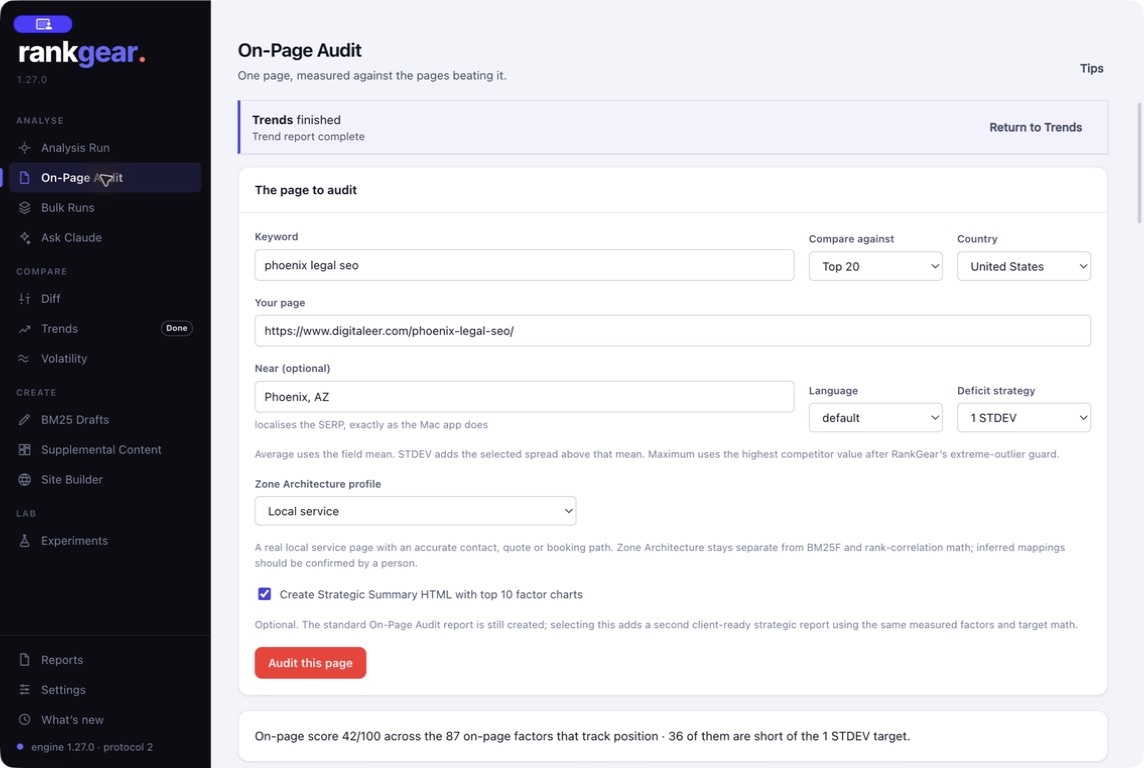
For that, you need rank tracking at the keyword level. RankGear focuses on this exact problem. Instead of giving you a generic volatility score, it ties ranking changes directly to the ranking factors that matter for your queries. That means you can see a drop in position and immediately understand whether it correlates with changes in Core Web Vitals, click-through rate, or something else. The goal is to move from "something changed" to "here is what changed and here is what to do about it."
Another practical source is Google Search Console. It will not give you a volatility score, but it will show you shifts in impressions and clicks. If you notice a sudden drop in impressions for a set of queries, that is a strong signal that something on the SERP changed. Maybe a featured snippet appeared and pushed your listing down, or maybe Google swapped in a different set of results entirely. Combining data from Google Search Console with your own rank tracking gives you a more complete picture than any single tool can provide.
Algorithm Updates Are Not Always the Culprit
It is easy to blame every ranking drop on a Google update, but that is rarely the whole story. Sometimes the volatility comes from changes in user behavior. Search volume fluctuates seasonally, and if your content targets a query that suddenly loses popularity, your rankings might appear to drop even though your absolute position is the same. Click-through rate can also shift when Google adds new SERP features like knowledge panels or video carousels. Your page might still be in position three, but the click share for that position shrinks because users now see a direct answer above you.
That is why SEO volatility tracking needs to look beyond just position changes. A real volatility analysis accounts for changes in the composition of the search results themselves. If a query that used to return ten blue links now shows a featured snippet and a People Also Ask section, the competitive landscape has changed even if your rank has not. Ignoring that context leads to bad decisions. You might try to optimize your page for a keyword that no longer drives the same volume of clicks, wasting time and resources.
Practical Steps for Responding to Volatility
When you see a volatility spike, resist the urge to make immediate changes. The first step is to verify the data. Check if the movement is consistent across multiple tools and devices. Sometimes a single rank tracker misreports a position, especially for local results or personalized SERPs. Once you confirm the shift is real, look for patterns. Are all of your pages affected, or only a subset? Do the changes correlate with a known algorithm update like the BERT update or the Helpful Content Update? If yes, you have a clear direction for your response.
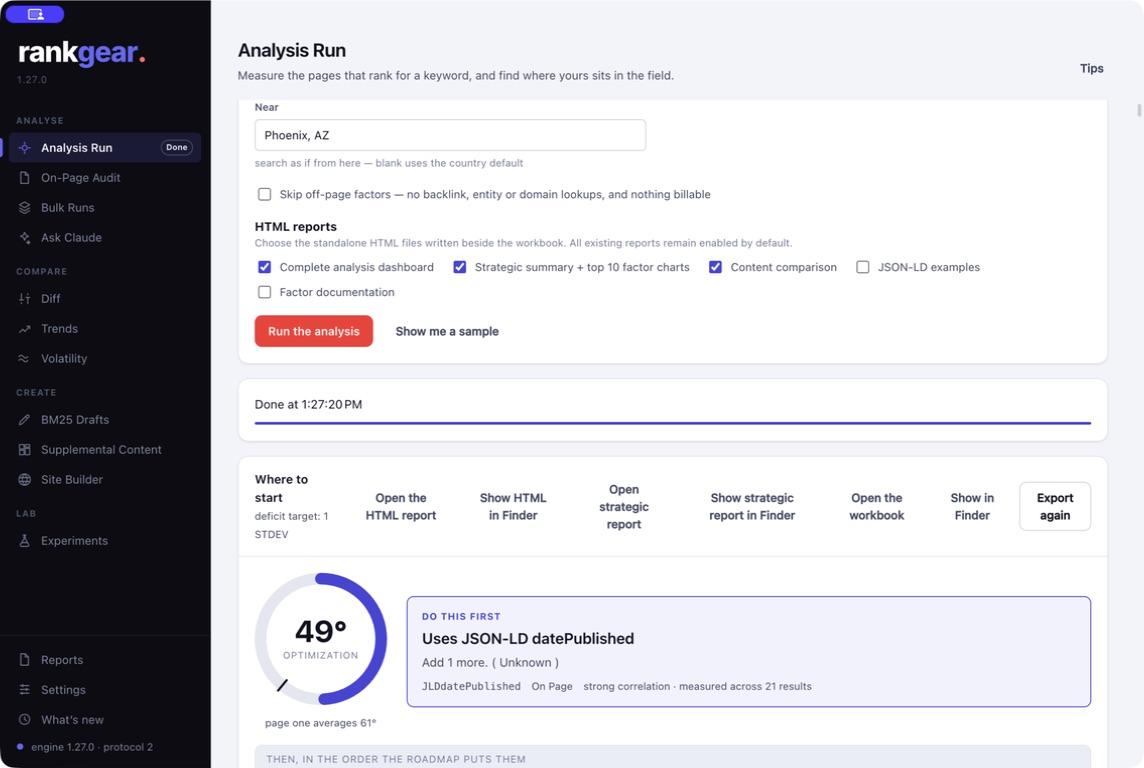
If the volatility seems specific to your site, dig into the ranking factors. Check your Core Web Vitals scores, page speed, mobile usability, and content relevance. Sometimes a competitor publishes a better resource, and you need to update your own content to stay competitive. Other times, a technical issue like a broken redirect or a misconfigured robots.txt file causes a drop. The key is to use the volatility data as a trigger for investigation, not a signal to panic.
Here are a few questions to ask yourself when you notice unusual ranking movement:
- Does the change align with a known Google algorithm update or a broader industry trend?
- Are the affected keywords connected by a common theme, such as product type or content format?
- Has the SERP layout changed for those queries, adding new features or removing old ones?
- Did your site make any technical or content changes around the same time?
- What is the competition doing? Are they publishing new content or improving their existing pages?
Answering these questions systematically will tell you whether you need to take action or simply wait for the dust to settle. Sometimes the best response is patience. Google's algorithms often correct themselves within a few days, especially if the volatility was caused by a testing update or a data refresh. Making changes during that window can do more harm than good.
The Role of SEO Volatility Tracking in Long-Term Strategy
Over time, tracking volatility teaches you something deeper about your niche. You start to see which types of content are resilient and which ones are fragile. You learn which ranking factors matter most for your specific queries. For example, if you notice that pages with strong click-through rates tend to hold their positions during volatile periods, you can focus your energy on improving titles and meta descriptions. If you see that Core Web Vitals scores correlate with rank stability, you can prioritize technical improvements.
This kind of learning is only possible when you treat SEO volatility tracking as a continuous practice, not a one-time audit. The data compounds. Every spike and recovery adds to your understanding of how Google evaluates your site. Over months, you build a mental model of what works and what does not. That model becomes the foundation for every content brief, every technical fix, and every optimization you make.
Connecting Volatility to Real Business Outcomes
At the end of the day, rankings are a means to an end. What you really care about is organic traffic and conversions. Volatility tracking helps you protect those outcomes by catching problems early. If you see a sudden drop in keyword rankings for your highest-traffic pages, you can investigate before the traffic decline hits your analytics. That early warning gives you time to adjust your strategy, update content, or fix technical issues before they cost you revenue.
It also helps you avoid overreacting to normal fluctuations. Every SEO professional has made the mistake of rewriting a perfectly good page because of a one-week dip in rankings. With proper volatility tracking, you know whether that dip is part of a larger pattern or just random noise. That confidence saves you time and keeps your content strategy on track.
To sum this up in a practical way, think of volatility as the weather in search. You cannot control it, but you can prepare for it. By using tools that give you granular data about your own site's performance, you turn unpredictability into an advantage. You see opportunities where others see chaos. And when the next big update hits, you are not scrambling to figure out what happened. You already know.